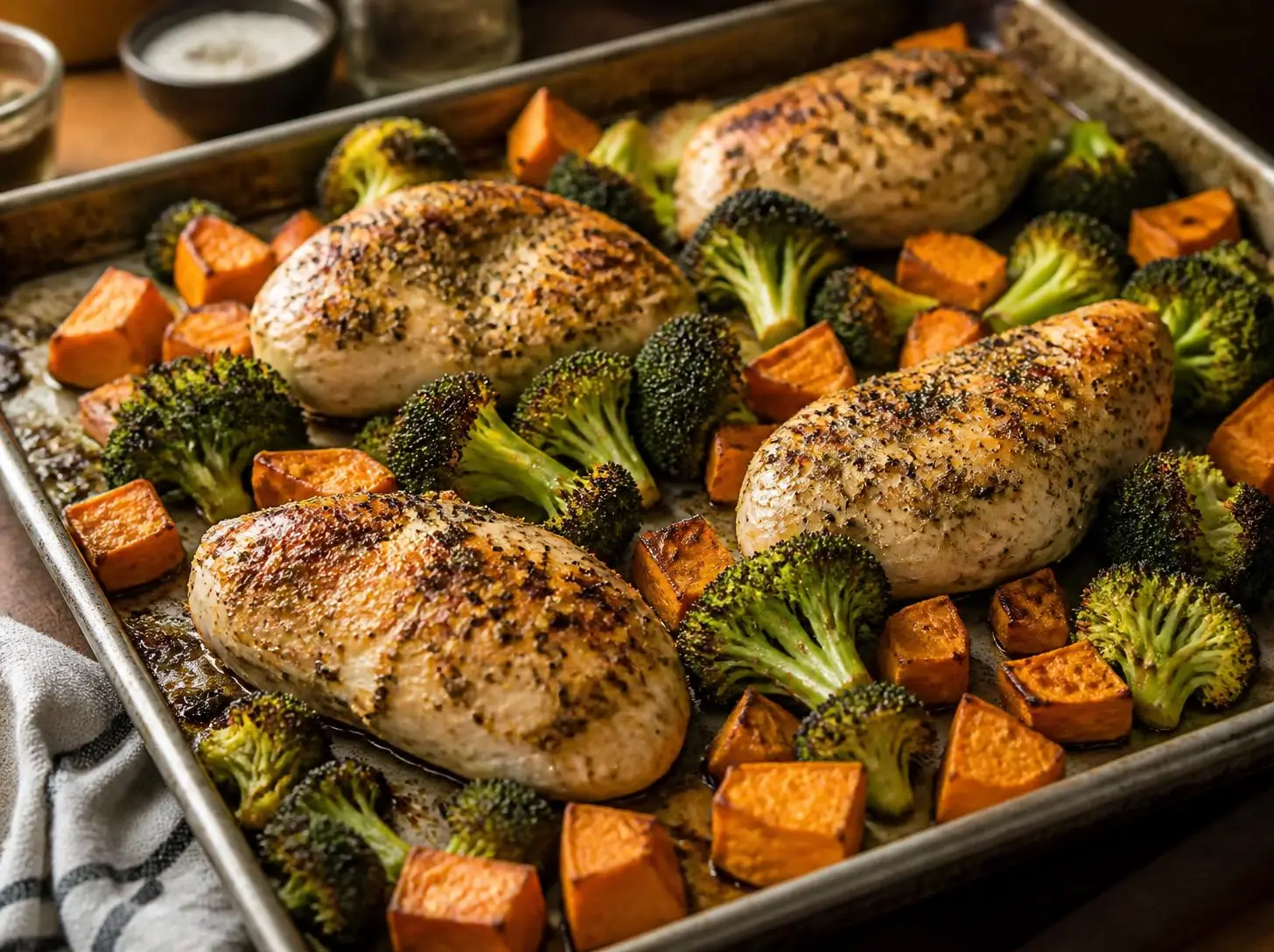
Meal Prep Ideas for Fitness Enthusiasts
Meal prep is one of the most underrated tools for getting stronger, leaning out, and actually sticking to your fitness goals. It’s not just about Tupperware and chicken; it’s about creating a rhythm that makes eating well the default, not the exception. For most people, the challenge isn’t knowing what’s “healthy,” it’s having something ready when life gets busy. That’s where smart meal prep comes in—especially if you’re training hard and trying to manage body fat, energy, and recovery. If you want to dial in your numbers as you read, you can use our fitness calculators to estimate your daily calories, macros, and more.
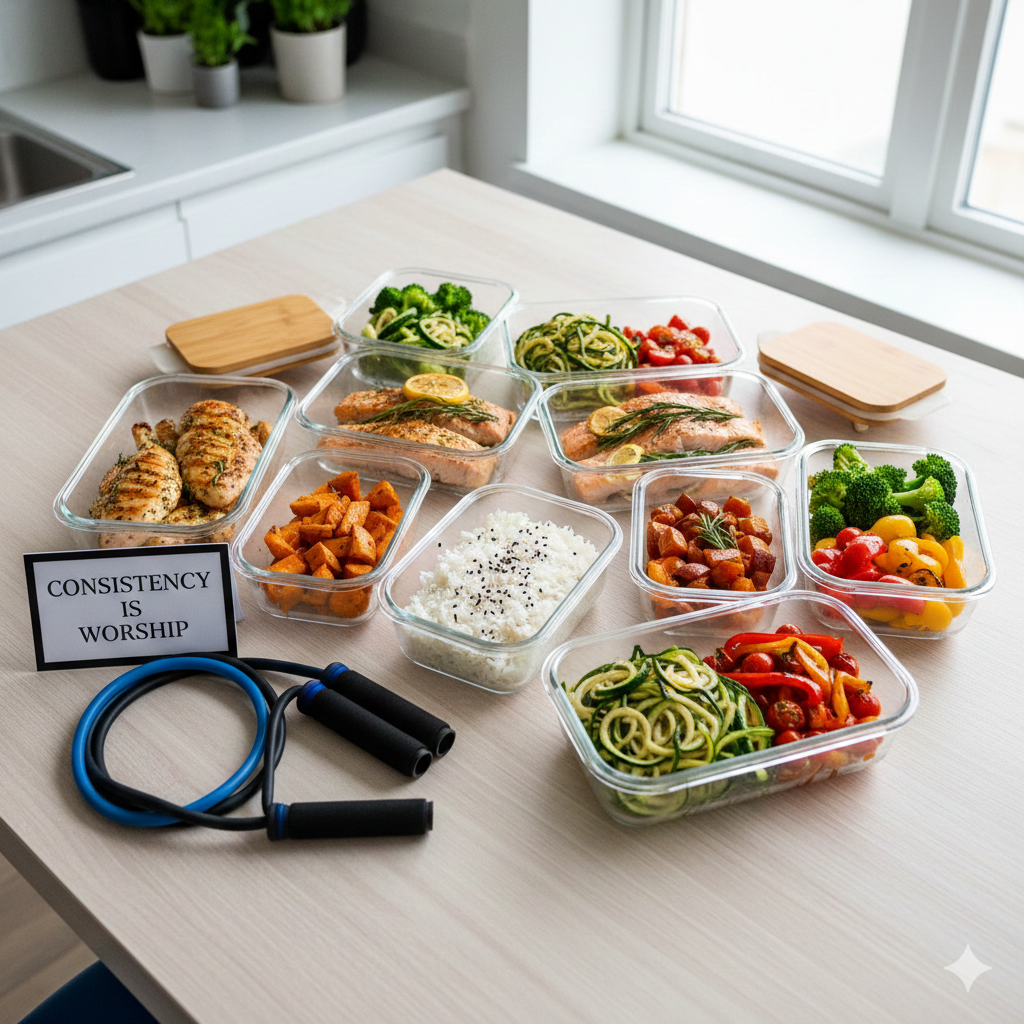
Why Meal Prep Matters for Fitness
When you’re lifting, doing band work, or pushing your conditioning, your nutrition has a simple job:
- Fuel your training
- Support muscle recovery
- Help you manage body weight and body fat
The problem is that decision fatigue, time, and stress usually wreck those plans. Research on people with obesity and joint issues showed that just replacing one or two meals a day with a nutritionally balanced meal replacement led to about 8% bodyweight loss in three months, plus improvements in blood pressure, cholesterol, and blood sugar. The interesting part is this: there was no real difference between replacing one meal or two, meaning even a single “automatic” meal choice can move the needle if it’s consistent. [ncbi.nlm.nih]
That same principle carries over to home meal prep. You don’t have to be perfect; you just need a few anchor meals that are ready, predictable, and aligned with your goals. For a deeper dive on building habits around food that actually fit your life, see our article on simple healthy eating habits.
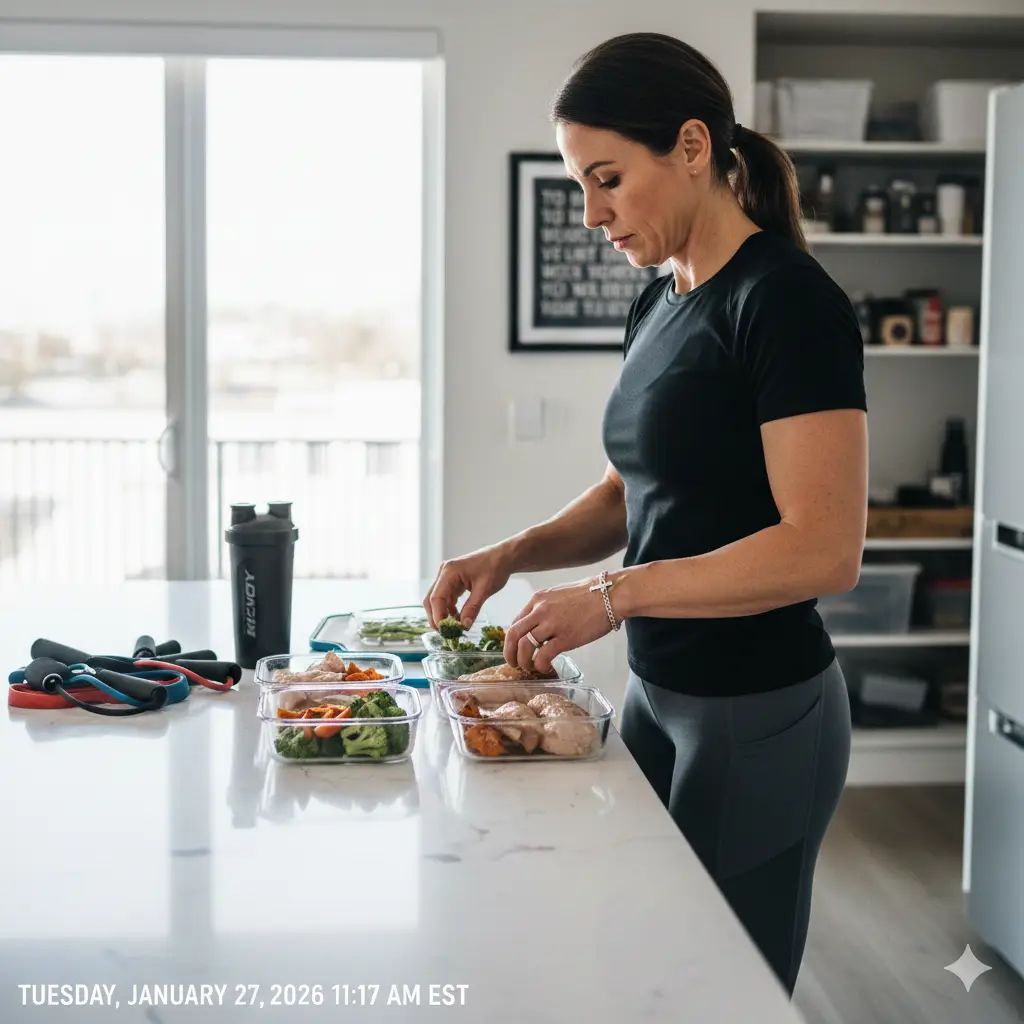
Simple Structure: Anchor Meals and Flexible Meals
For most fitness enthusiasts, a helpful approach is to think in terms of:
- Anchor meals – meals you prep in advance or repeat often
- Flexible meals – meals you build on the fly within some simple guidelines
The research on meal replacements basically proves that one predictable, pre‑planned meal each day can support weight loss and better health markers. For you, that could look like:[ncbi.nlm.nih]
- A prepped protein‑heavy lunch you eat most days
- A consistent, higher‑protein breakfast that doesn’t change much
- Or a planned post‑workout meal you don’t negotiate with
From there, you can keep the other meals more flexible while still staying aligned with your overall plan. If you’re not sure how much protein, carbs, and fats to aim for in those anchors, our macro calculator can give you a personalized breakdown in seconds.
Using Meal Replacements the Smart Way
Meal replacements get a bad reputation because people either use them as a crash diet or expect them to fix everything. But when used wisely, they can be a helpful tool in a fitness meal prep strategy.
In older adults with obesity and osteoarthritis, replacing one or two meals a day with a balanced shake or prepared formula for three months:
- Cut bodyweight by roughly 8%
- Reduced fat mass
- Improved cholesterol, glucose control, and systolic blood pressure[ncbi.nlm.nih]
For someone training with resistance bands or weights, that kind of structured, lower‑calorie meal can be an easy way to:
- Control calories without counting every bite
- Free up mental energy for training and life
- Keep protein consistent if the product is well‑formulated
You don’t have to live on shakes, but having one go‑to, plug‑and‑play meal you can default to when life is busy is very practical. It might be:
- A high‑protein smoothie with fruit and oats
- A premade high‑protein drink plus a piece of fruit
- Or, for some seasons, a medically designed meal replacement if you’re working with a doctor or dietitian
The key is using it as part of a long‑term meal rhythm, not a short‑term crash. If you’re pairing this with regular band training, our article on incorporating resistance bands into your fitness routine can help you match your nutrition to your workouts.
Meal Kits, No‑Prep Options, and Real Life
Not everyone loves cooking, and not every season of life has the same bandwidth. Research with food pantry clients—people who are often stretched thin on both time and resources—looked at two strategies:
- Nutritious meal kits (ingredients + recipe)
- Nutritious no‑prep meals (heat and eat)
Both approaches improved perceived diet quality and food security within just two weeks, with high satisfaction in both groups. Meal kit users reported especially high satisfaction, likely because they learned how to prepare meals and enjoyed the process more.[pubmed.ncbi.nlm.nih]
As a fitness‑minded person, you can borrow those same ideas:
- Meal kit style at home:
- Pick 2–3 go‑to recipes for the week (for example: burrito bowls, sheet‑pan chicken and vegetables, or stir‑fry).
- Pre‑portion the ingredients or at least keep all the components grouped so you don’t have to “decide from scratch” every time.
- No‑prep backups:
- Keep a few high‑protein, frozen or ready‑to‑heat meals on hand for the days you’re slammed.
- Think of these as your nutritional “emergency brake” instead of defaulting to fast food.
The research shows even in tough circumstances, these structured options move people toward better food choices. For someone training consistently, that’s huge—because missed meals, drive‑thru dinners, and “I’ll just grab something later” are often what derail progress, not one extra cookie. If you’re using resistance bands at home as your primary training tool, you can pair these strategies with our resistance bands elevate home workouts guide to build a complete at‑home system.
Make Healthy Food Easy to Eat
One of the more interesting things the research highlights is that how food is presented changes how much people actually eat. In school cafeterias, some very simple strategies increased healthy food consumption:
- Offering more choices
- Making food more palatable and culturally familiar
- Pre‑slicing fruit instead of serving it whole
- Rewarding kids for trying fruits and vegetables[pmc.ncbi.nlm.nih]
What does that have to do with your meal prep? A lot. You can apply the same principles at home:
- Pre‑slice fruit and veggies. You are far more likely to eat carrots, peppers, cucumbers, or apples if they’re already washed and cut.
- Build in choice. Instead of prepping five identical meals that you dread by mid‑week, prep components:
- One or two proteins (chicken, ground turkey, tofu)
- A couple of carb sources (rice, potatoes, oats)
- Two or three veggies
Then mix and match throughout the week. The research shows choice increases consumption; you’ll be more likely to stick to your meals if you aren’t bored by day two.[pmc.ncbi.nlm.nih]
- Season your food. Palatability was a major factor in whether school meals were eaten or thrown away. The same is true in your kitchen. Use herbs, spices, and sauces wisely. Good flavor is not optional if you want long‑term consistency.[pmc.ncbi.nlm.nih]
Putting It Together: A Practical Framework
Here’s a simple way a fitness enthusiast could set up a week using these insights:
1. Pick your anchor meal(s).
- Decide on one meal you’ll keep very consistent for the next 4–8 weeks, like:
- Breakfast: Greek yogurt, fruit, oats, and nuts
- Or Lunch: prepped chicken, rice, and vegetables
- Or a daily shake or meal replacement as either breakfast or lunch
Based on the research, even one consistent “replacement‑style” meal can support weight and health improvements over time. If you want help deciding how big that meal should be relative to your day, run your numbers through our daily calorie intake calculator.
2. Use a hybrid of meal prep and “kits.”
- Once or twice a week, cook a batch of protein and carbs.
- Store them separately so you can assemble different bowls or plates.
- Think of each container as part of a meal kit—everything you need is already in your fridge.[pubmed.ncbi.nlm.nih]
3. Keep no‑prep options ready.
- Have at least 2–3 meals per week that require almost no work:
- Frozen high‑protein meals
- Rotisserie chicken plus bagged salad
- Pre‑cooked grains and microwavable vegetables
The research on no‑prep meals shows they improve diet quality when time and energy are low. When you train hard, your future self will thank you for having these ready on heavy or late training days.[pmc.ncbi.nlm.nih]
4. Make fruits and veggies “grab‑and‑go.”
- Wash, cut, and store fruits and vegetables in clear containers.
- Pre‑slice apples, oranges, or melons; keep baby carrots or sliced cucumbers ready. Studies show pre‑sliced fruits can increase fruit intake by more than double in some settings.[pmc.ncbi.nlm.nih]
5. Aim for patterns, not perfection.
The research doesn’t say you need a perfect macro split to see results. It shows:
- Consistent, structured eating (like one reliable meal replacement) supports weight and health changes.[ncbi.nlm.nih]
- Reducing friction with meal kits and no‑prep foods improves diet quality.[pubmed.ncbi.nlm.nih]
- Simple behavioral tweaks (choice, prep, convenience) increase how much healthy food you actually eat.[pmc.ncbi.nlm.nih]
For a fitness enthusiast, the goal is to line those patterns up with your training:
- Protein at every meal to support muscle
- Fiber and color (fruits/veggies) to support health and recovery
- A level of structure that makes “the right choice” the easy choice most of the time
The Bottom Line
Meal prep doesn’t have to look like a bodybuilder’s Instagram. It can be as simple as one consistent meal, a couple of batch‑cooked basics, some pre‑cut fruit and vegetables, and a few “no‑prep” backups for busy days. The research backs this up: structured meals, even in small doses, improve weight, blood markers, diet quality, and follow‑through.[pubmed.ncbi.nlm.nih]
If you’re serious about your training—whether that’s bands, weights, or a mix—the most important thing you can do in the kitchen is remove as many decisions as possible. Set up your week so that good food is ready before you need it. That’s how you fuel your workouts, support recovery, and actually live out the consistency your goals demand.