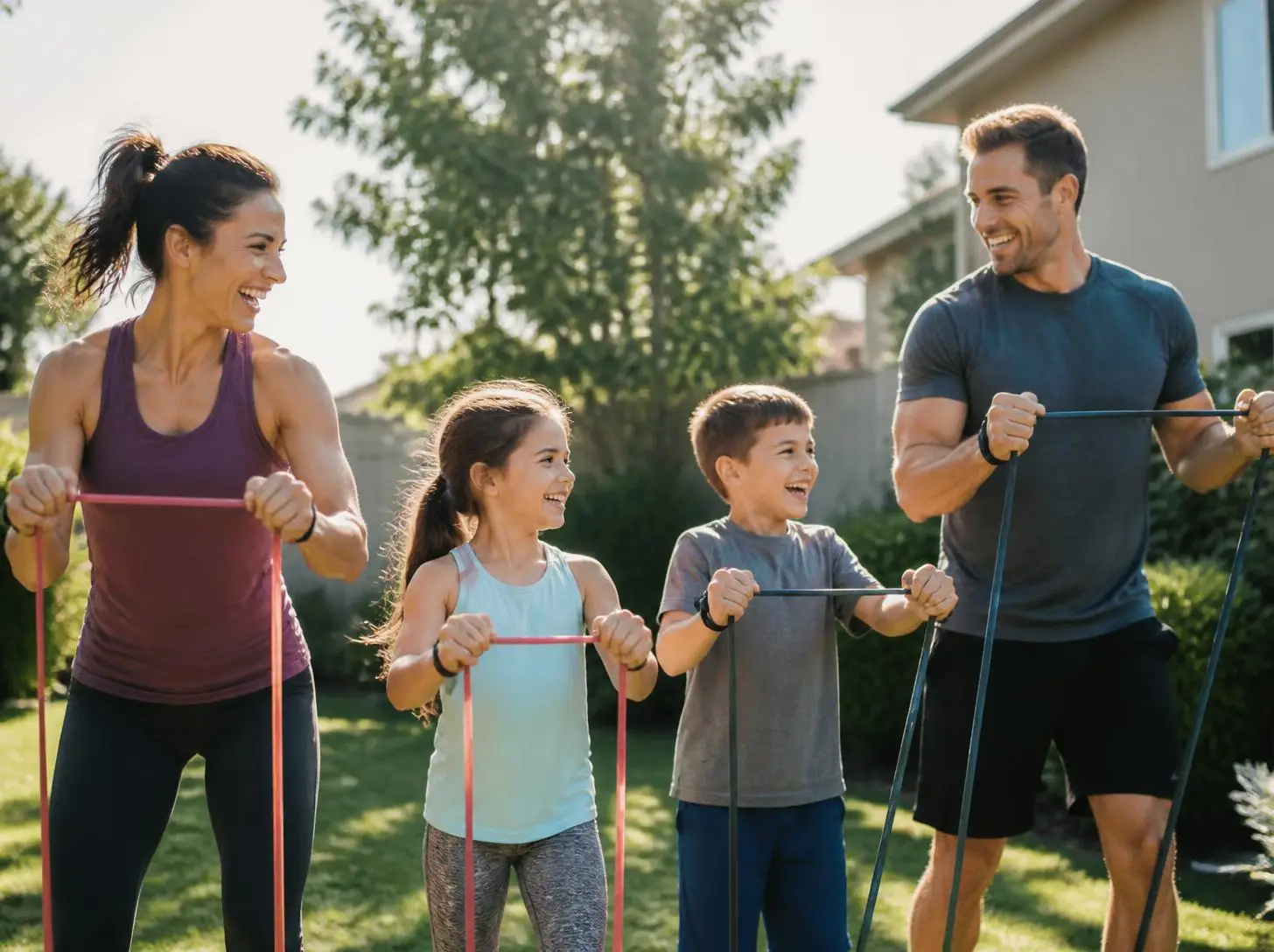
Benefits of Exercising Together as a Family
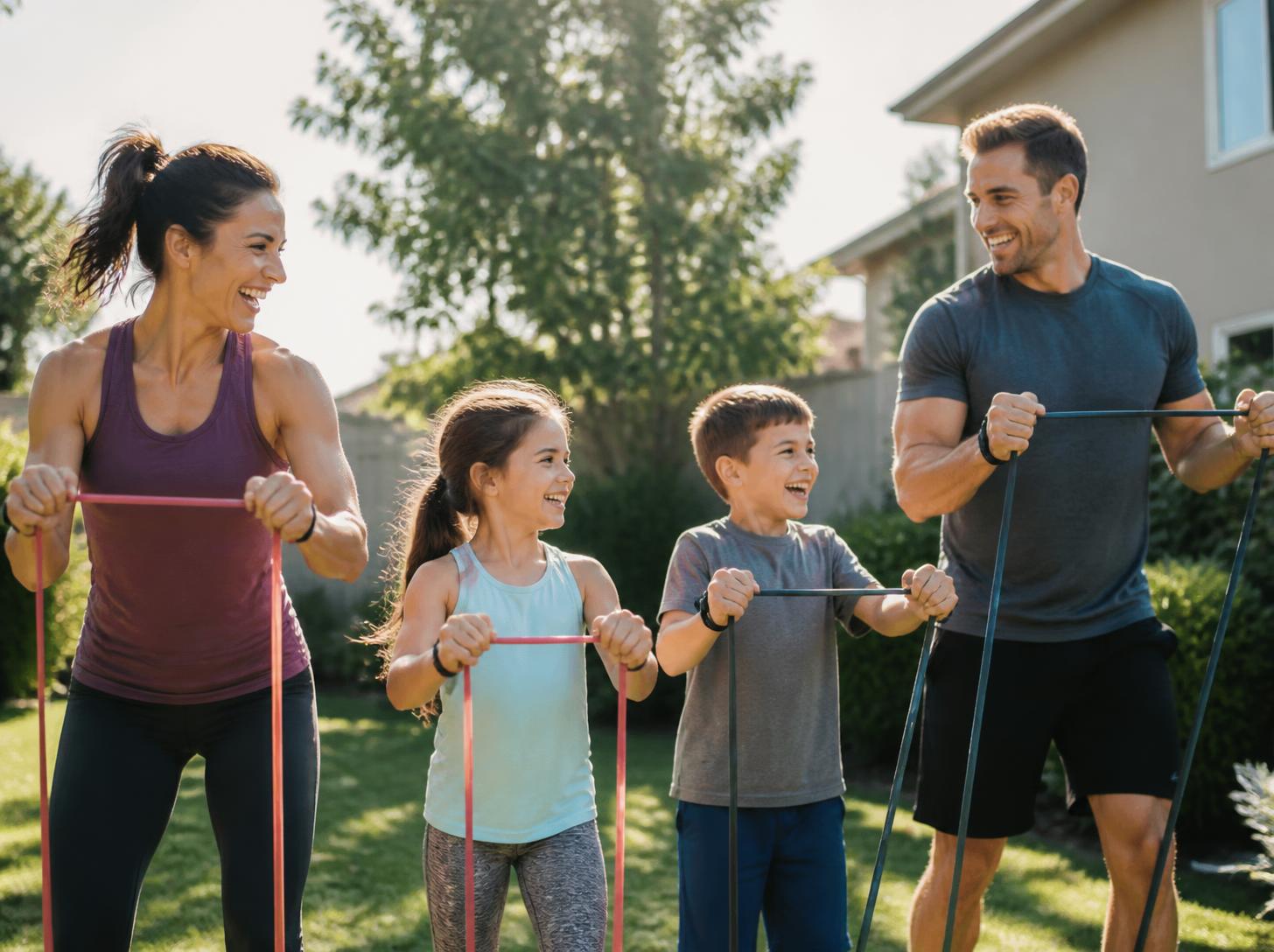
Exercising together as a family solves two problems at once: it gives you built-in accountability for your own fitness, and it models healthy habits for your kids more effectively than any conversation about health ever could. Finding time to work out is hard enough on your own. Add kids into the mix and it can feel impossible — unless you stop treating family time and workout time as competing priorities and start treating them as the same thing.
What Exercising Together Actually Gives You
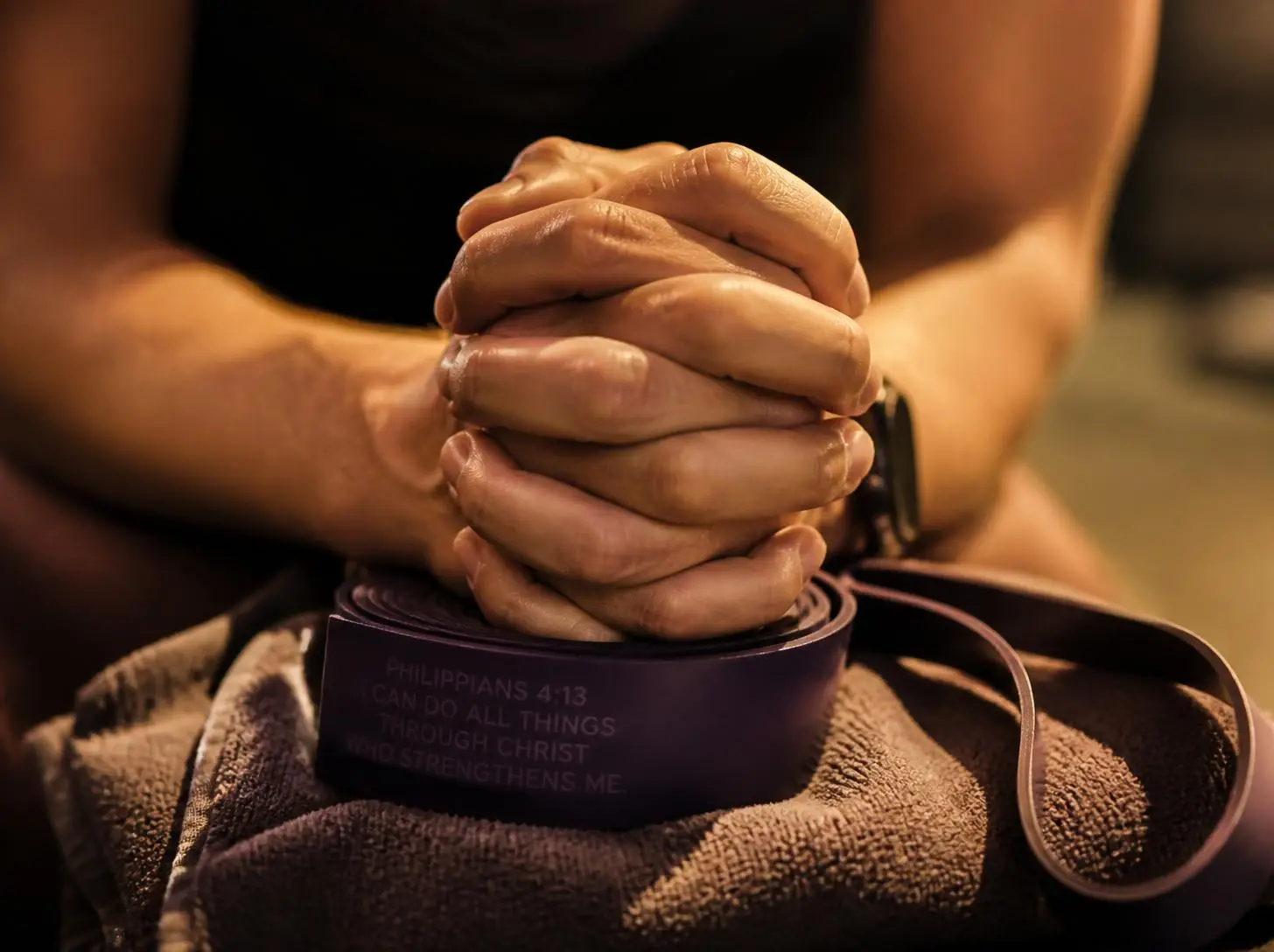
“Two are better than one, because they have a good reward for their toil” (Ecclesiastes 4:9–10, ESV). That principle applies to fitness too — working out alongside your family gives you built-in accountability, and it models healthy habits for your kids in a way that talking about health never will.
- It solves the time problem. Instead of choosing between family time and workout time, you combine them.
- It teaches kids discipline early. Kids who see their parents training consistently are more likely to build the same habit themselves. Proverbs 22:6 – “Train up a child in the way he should go; even when he is old he will not depart from it.”
- It builds accountability that actually sticks. It’s a lot easier to skip a workout when you’re the only one who knows. It’s a lot harder when your kids are expecting you.
- It creates shared memories instead of separate schedules. A family bike ride or a backyard band circuit becomes something everyone remembers, not just another item on the calendar.
This idea of shared effort and encouragement is explored further in The Power of Two: Partnering Up for Your Fitness Journey.
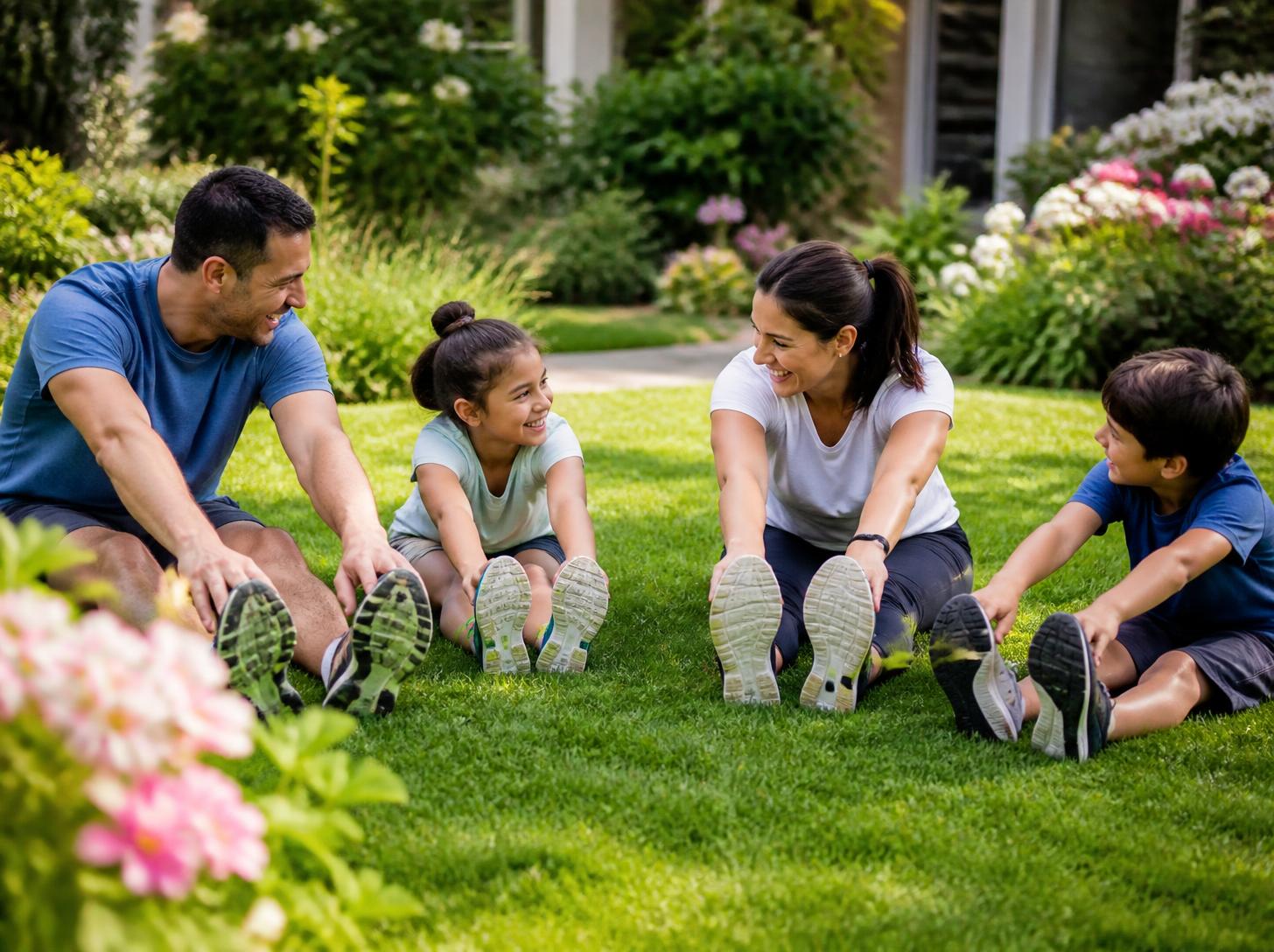
What Family Fitness Looks Like at Different Ages
Toddlers and young kids do best with games that happen to involve movement — tag, an obstacle course in the living room, a dance-along video — rather than anything resembling a structured workout. Elementary-age kids can start joining in simple resistance band circuits or short family walks and actually follow along with basic instructions. Teenagers often respond better to being given their own piece of the workout to own, like leading a warm-up or picking the playlist, rather than just following along with whatever the adults are doing.
Start Simple
You don’t need a complicated plan. A resistance band circuit in the backyard, a family walk after dinner, or a simple game of tag all count. The goal isn’t intensity — it’s consistency and connection.
Pick one day this week and block off twenty minutes. Don’t aim for a full workout program on day one — aim for showing up together once, then building from there. The habit matters far more than any single session’s intensity.
For a few beginner-friendly movements you can adapt to different fitness levels, see The Best Resistance Band Exercises for Beginners.
Working Around Different Fitness Levels in One Family
One of the biggest obstacles to family fitness is that parents, children, or partners may have very different fitness levels. Resistance bands can make it easier for people to try similar movements with different resistance levels, provided everyone uses suitable equipment and maintains safe form.
The same principle applies to walking or running: let the group’s pace accommodate the youngest or slowest participant. The point of family fitness is time together, not a competitive benchmark. Pushing everyone to match the fastest person can make the activity less enjoyable.
For more ways to bring faith and movement into everyday life, read How to Integrate Faith and Fitness in Your Daily Routine.
Frequently Asked Questions About Family Fitness
What’s a good first family exercise to try?
A family walk after dinner is the easiest starting point — it requires no equipment, works for nearly any age, and is easy to repeat consistently. Once that’s a habit, adding a resistance band circuit or a weekend bike ride is a natural next step.
How do I get reluctant kids or teens to join in?
Give them ownership instead of just asking them to follow along — let a teenager pick the music, design one station of the circuit, or choose the route for a walk. Reluctance usually softens once a kid has some control over the activity rather than just being told what to do.
How often should a family exercise together to see benefits?
Two or three times a week is enough to build the habit and start seeing the accountability and connection benefits, even if individual sessions are short. Consistency over time matters far more than frequency in any single week.
Steward your body, not worship it — and teach that same principle to the people watching you do it. Pick what fits your life, stay progressive.
Scripture quotation is from the ESV® Bible (The Holy Bible, English Standard Version®), copyright © 2001 by Crossway, a publishing ministry of Good News Publishers. Used by permission. All rights reserved.