
Easy Protein-Packed Recipes for Muscle Building
Protein-packed recipes for muscle building give your body the raw material it needs to repair and grow after training, without requiring complicated meal prep. Building muscle isn’t just about the work you put in at the gym — it’s about what you put on your plate afterward. If your meals are low on protein, your body doesn’t have the raw material it needs to rebuild and grow. Here are five simple, protein-forward recipes you can work into your week without overhauling your whole kitchen.
Why Protein Matters for Muscle
Your muscles use protein as the building block to repair and grow after training. Research supports aiming for roughly 25–35g of protein per meal, spread across the day rather than loaded into one sitting, to get the most benefit for muscle maintenance and growth.
Most people fall short not because they’re eating too little protein overall, but because they’re loading it all into dinner and leaving breakfast and lunch nearly protein-free.
Use the Macro Calculator to estimate your daily protein, carbohydrate, and fat targets, then adjust based on your needs and progress.
Five Recipes to Get You There
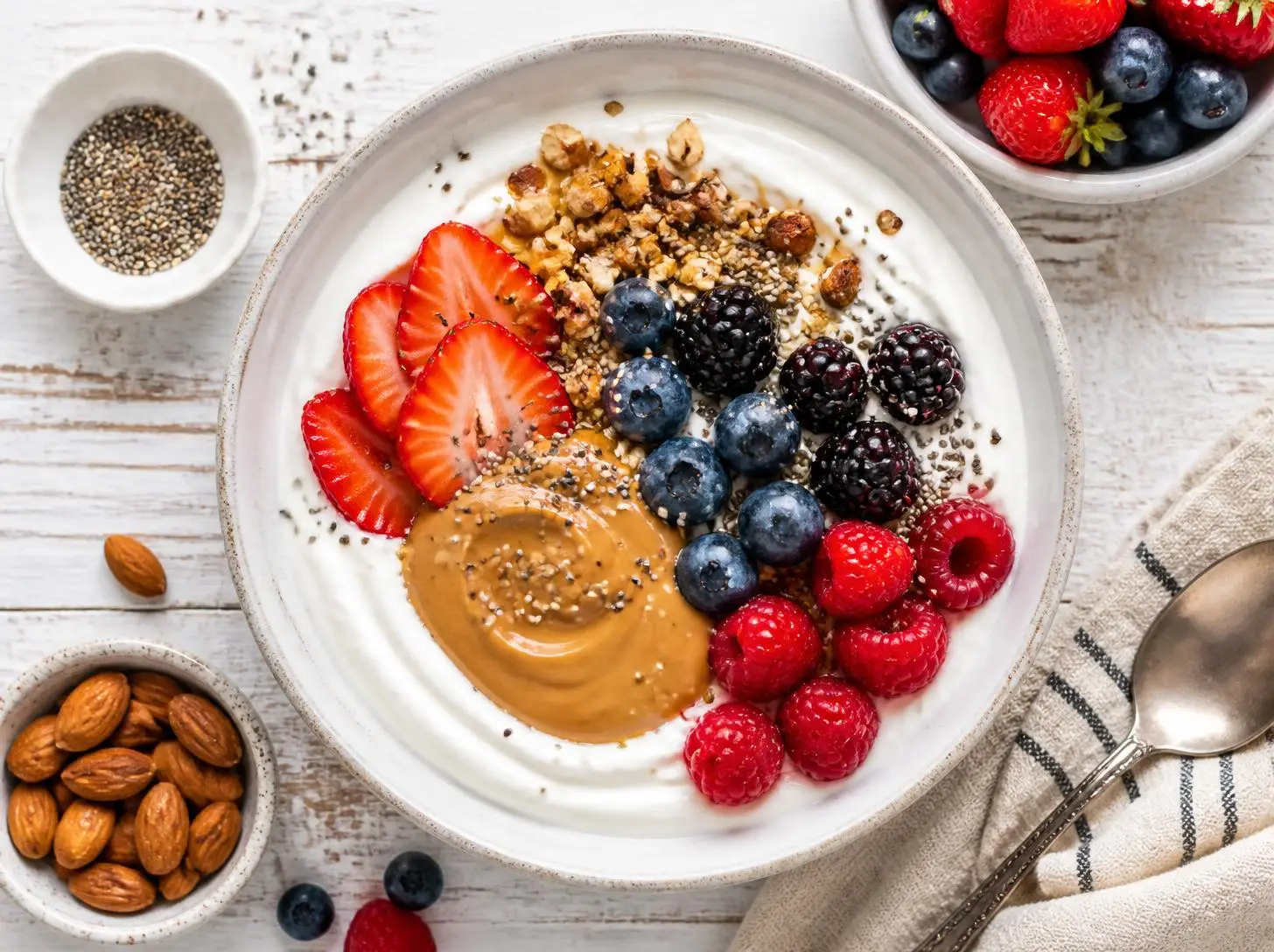
- Greek Yogurt Protein Bowl. Plain Greek yogurt, a scoop of protein powder, berries, and a tablespoon of nut butter. Quick, no cooking, and easily hits 30g+ of protein.
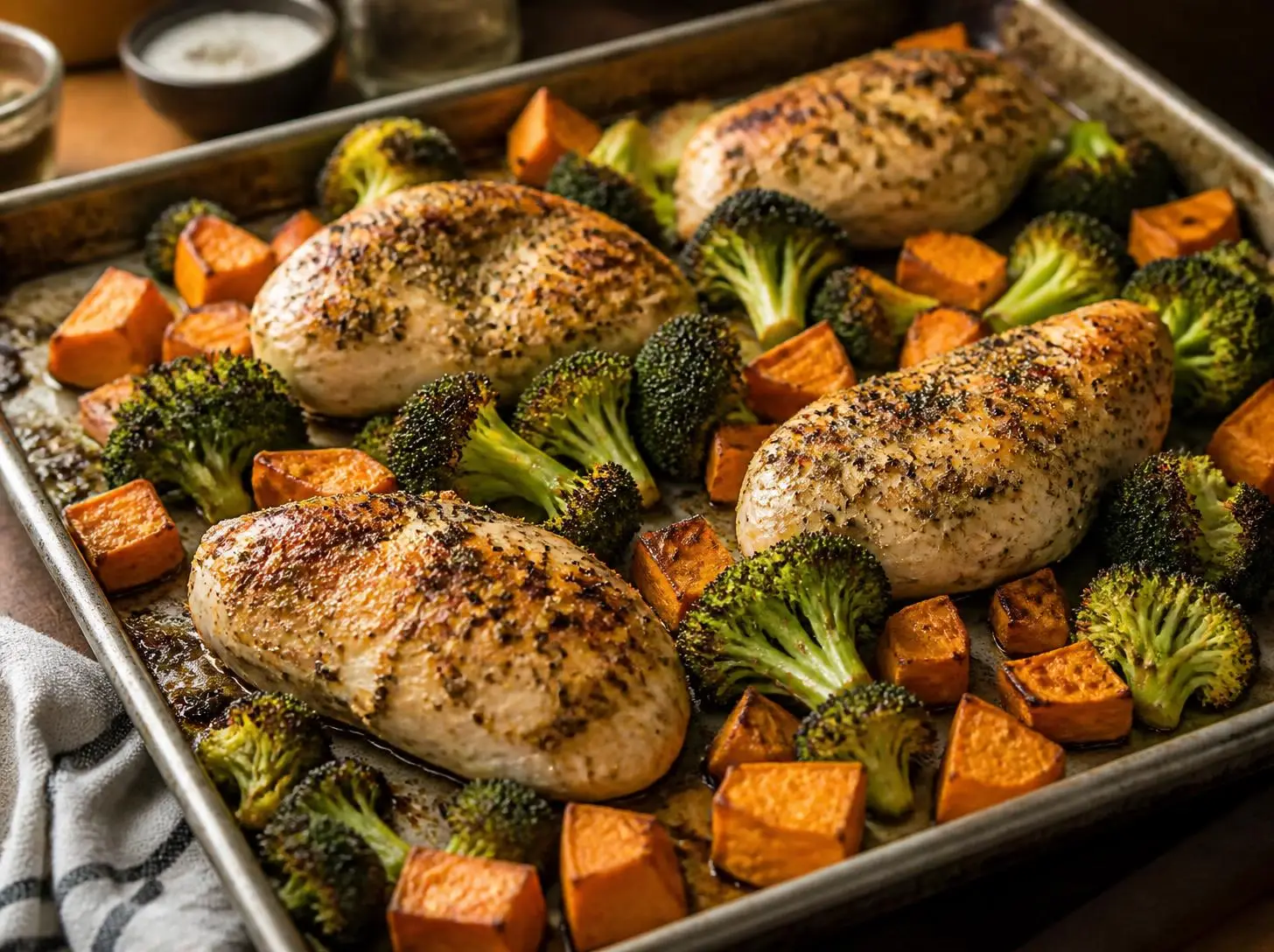
- Sheet Pan Chicken and Veggies. Chicken breast, broccoli, and sweet potato roasted together. Make a double batch on Sunday and you’ve got lunches covered for days.
- Egg and Turkey Breakfast Scramble. Three eggs, a few ounces of ground turkey, and spinach. Breakfast is usually the lowest-protein meal of the day — this fixes that.
- Salmon and Quinoa Bowl. A lean, healthy-fat protein source paired with a complete plant protein for a well-rounded plate.
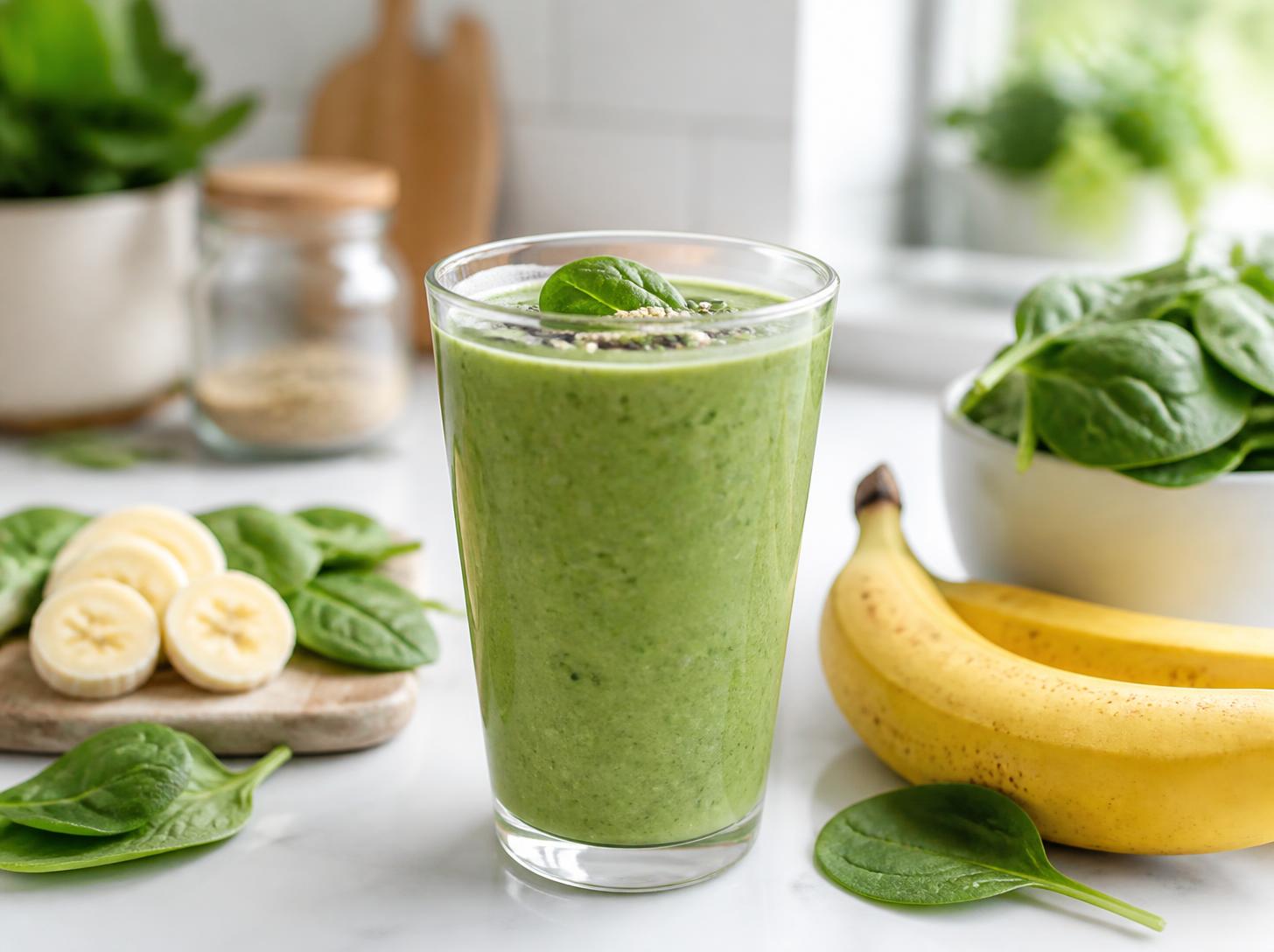
- Protein Smoothie. Protein powder, frozen banana, spinach, and almond milk. Good for days when you’re short on time but can’t afford to skip protein.
For a quick shake or smoothie, consider Advanced 100% Whey Protein Isolate. Choose a protein powder based on your dietary needs, preferences, and the product label.
Tips for Hitting Your Protein Target Without Overhauling Your Kitchen
You don’t need a meal-prep operation to hit a protein target consistently. Pick two or three of these recipes, rotate them through the week, and double the batch when you’re already cooking so leftovers cover another meal. Keep protein powder and canned or pouched fish on hand for days when cooking isn’t realistic — a protein shake or a tuna packet with crackers still counts toward your daily total.
If you’re new to tracking protein, start by just paying attention to your first meal of the day. Most people’s biggest gap is breakfast, and fixing that one meal alone can close a large part of the shortfall without changing anything else.
For guidance on planning meals ahead, see our Meal Prep for Fitness guide. You can also learn how to plan your overall intake with our article on the importance of tracking macronutrients.
Meal Prepping These Recipes for the Week
Sunday prep doesn’t have to mean cooking five separate dishes. Roast a big tray of chicken, sweet potato, and broccoli once, and that single batch becomes the base for lunches most of the week. Hard-boil a dozen eggs at the start of the week and you’ve got a fast protein add-in for salads, wraps, or a quick snack. Keep frozen banana and spinach pre-portioned in the freezer so the smoothie takes sixty seconds instead of ten minutes.
The goal isn’t a perfectly varied menu every day — it’s removing decision fatigue so protein is the easy choice instead of the thing you have to remember. Repetition is a feature here, not a flaw.
Food Is for Your Preservation
When faced with difficult times Paul encouraged those with him through the food that fuels them; “Therefore I encourage you to take some food, for this is for your preservation, for not a hair from the head of any of you will perish.” (Acts 27:34, NASB) — eating isn’t about vanity or just survival, it’s about stewarding the body you’ve been given for the work ahead of you. These recipes aren’t about chasing a perfect physique. They’re about fueling a body that can show up, do the work, and keep going.
Frequently Asked Questions About Protein-Packed Recipes
How much protein do I actually need per day?
A common target for building or maintaining muscle is roughly 25–35g of protein per meal across three to four meals a day, though exact needs vary by body size and activity level. Spreading protein evenly across meals tends to work better for muscle maintenance than loading it all into one large dinner.
What’s the easiest way to add protein to breakfast?
Eggs, Greek yogurt, and protein powder are the three easiest wins. Even stirring a scoop of protein powder into oatmeal or adding a side of eggs to whatever you’re already eating can close most of the typical breakfast protein gap without adding real prep time.
Can I build muscle without eating meat?
Yes. Plant sources like quinoa, lentils, tofu, and plant-based protein powder can provide complete or near-complete protein, especially when a few sources are combined across the day. The salmon and quinoa bowl above can be made meat-free by swapping in a plant protein like tempeh or extra quinoa and beans.
Pick what fits your life, stay progressive. You don’t need all five recipes in rotation this week — pick one, make it work, and build from there.
Scripture quotation is from the NASB® (New American Standard Bible®), copyright © The Lockman Foundation. Used by permission.