Description
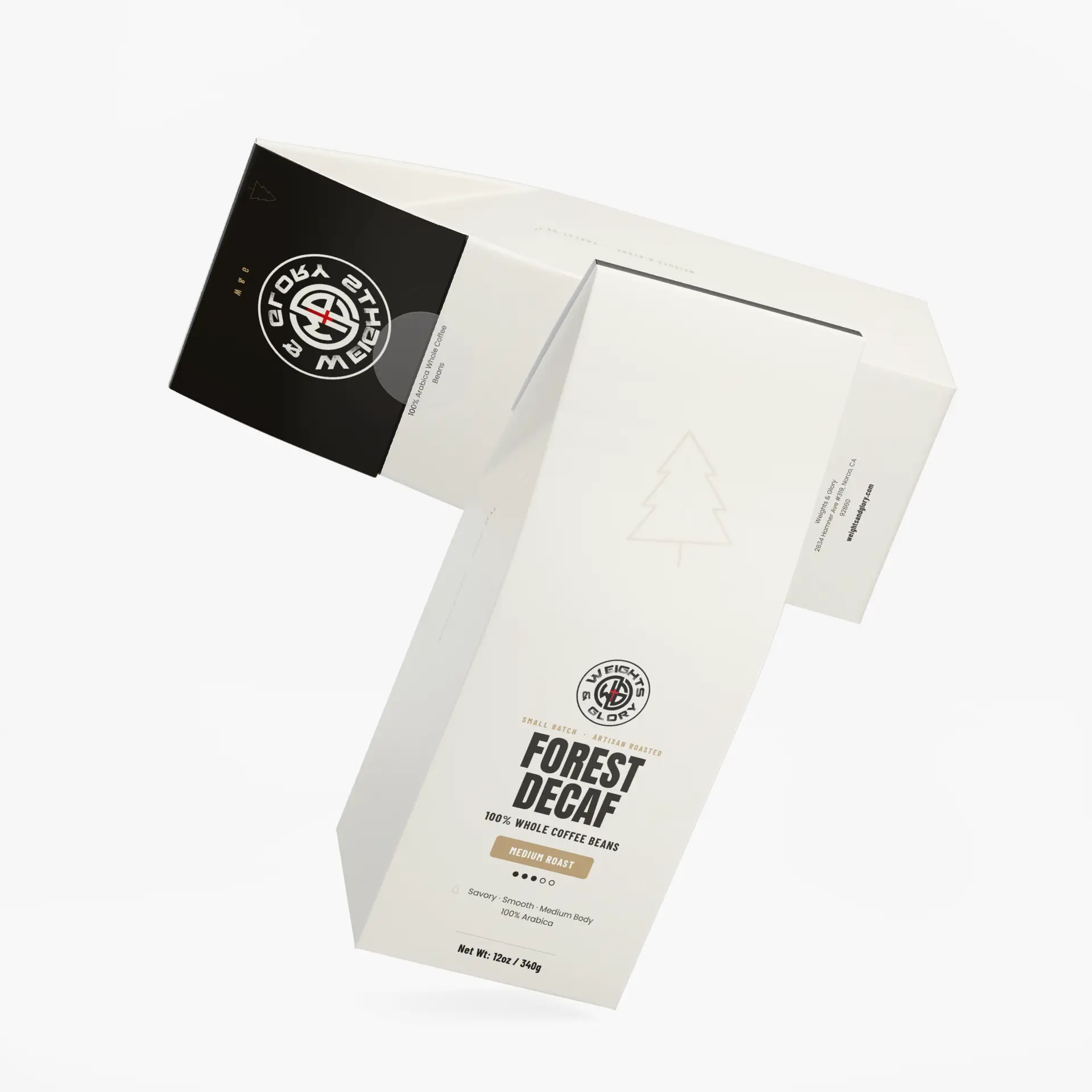
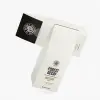
Unlike mass-market decaf coffees that rely on chemical solvents (methylene chloride or ethyl acetate) and low-grade beans—resulting in dull, flat, one-dimensional cups with chemical aftertaste—Weights and Glory Forest Decaf Coffee is a carefully crafted single-origin decaf designed to deliver the complexity, body, and richness of specialty coffee without the caffeine.
By sourcing exclusively from the highlands of Sulawesi, Indonesia—one of the world’s most distinctive coffee-growing regions known for full-bodied, earthy, low-acidity coffees—this medium roast leverages the inherent characteristics of the Java Toraja varietal to create a cup that’s both intense and refined. Java Toraja (named after the Toraja people and highland region of Sulawesi) is renowned for its heavy body, earthy-spicy character, and naturally low acidity—making it an ideal candidate for decaffeination. The Swiss Water Process (SWP), developed in Switzerland in the 1930s and commercialized since 1988, uses only water and activated charcoal filters to remove 99.9% of caffeine without introducing any chemical solvents. This gentle, targeted method preserves the bean’s natural oils, complex acids, and nuanced flavor notes—resulting in a decaf that retains 90–95% of the original flavor compounds and tastes remarkably similar to its caffeinated counterpart.
Roasted to a classic medium level (210–220°C / 410–430°F, ending between first and second crack) that develops caramel and chocolate compounds while preserving origin character, Forest Decaf delivers the kind of rich, indulgent experience that pairs perfectly with milk, cream, or sweeteners—yet remains drinkable black for those who appreciate decaf depth without additives. The dark chocolate, earthy richness, and subtle herbal depth come from the combination of Java Toraja’s inherent characteristics and the Swiss Water Process’s ability to preserve flavor while removing caffeine. Whether you’re enjoying a hot cup after dinner, brewing a French press for a leisurely weekend morning, or pulling a pour-over for a mindful afternoon ritual without the buzz, this decaf holds its taste exceptionally well across all methods, making it an ideal choice for those who want the full coffee experience without the stimulation.
Comparison: Weights & Glory vs. Standard Retail Decaf Coffees
| Quality & Manufacturing Standard | Weights and Glory Forest Decaf | Generic Retail / Grocery Decaf |
| Bean Selection | 100% Single-Origin Sulawesi Arabica (Java Toraja varietal) | Low-grade Arabica or Arabica/Robusta blends from unspecified origins |
| Origin Transparency | Single-origin Sulawesi, Indonesia with varietal specificity | Generic “Colombian decaf” or multi-country blend with no regional detail |
| Varietal Specificity | Java Toraja (full body, earthy character, low acidity) | Unspecified commercial varieties |
| Decaffeination Method | Swiss Water Process (chemical-free, water-only, 99.9% caffeine removal, 90–95% flavor retention) | Chemical solvent methods (methylene chloride or ethyl acetate, 80–85% flavor retention, potential chemical aftertaste) |
| Acidity & Body | Low acidity (pH ~5.5–6.0), full-bodied, heavy, syrupy mouthfeel | Variable acidity, often thin body or harsh, chemical bitterness |
| Flavor Profile | Dark chocolate, earthy richness, subtle herbal depth, smooth, no bitterness | One-dimensional, flat, cardboard-like, or chemically altered taste |
| Roast Profile | Medium roast (210–220°C) to develop chocolate-caramel sweetness while preserving origin | Over-roasted to mask decaf defects, often bitter or ashy |
| Manufacturing Standards | USA cGMP-certified facilities with quality control | Variable/unregulated mass production |
| Freshness Control | Small-batch roasted and sealed for peak flavor | Extended shelf life at expense of aromatic complexity |
| Additives & Fillers | 100% Pure Arabica, no chemical solvents, artificial flavors, or preservatives | Chemical solvent residues, artificial flavorings, or synthetic additives |
Key Information & FAQs
Why is this decaf priced higher than typical grocery store brands?
Our premium price reflects single-origin sourcing from Sulawesi, Indonesia with varietal transparency and Swiss Water Process decaffeination. While commercial decaf brands use low-cost beans and chemical solvent methods (methylene chloride or ethyl acetate) to cut costs, Forest Decaf combines Java Toraja varietal with chemical-free Swiss Water Process—removing 99.9% caffeine while preserving 90–95% of flavor compounds, resulting in a decaf that tastes remarkably similar to its caffeinated counterpart.
What does Forest Decaf Coffee taste like?
A rich, full-bodied medium roast with prominent dark chocolate richness, earthy depth, and subtle herbal notes. The cup is smooth and mellow—think dark cocoa, roasted nuts, wet earth, and gentle spice with a rounded, syrupy mouthfeel. Unlike typical decaf that tastes flat, cardboard-like, or chemically altered, Forest Decaf delivers the kind of complexity and satisfaction usually reserved for high-caffeine specialty coffees—without the buzz.
How does Swiss Water Process compare to chemical decaffeination?
Swiss Water Process uses only water and activated charcoal filters to remove caffeine through diffusion and osmosis—no chemical solvents. It preserves 90–95% of flavor compounds, retains origin character (chocolate, earthy, herbal notes), and leaves no chemical residues. Chemical solvent methods (methylene chloride or ethyl acetate) use industrial solvents to extract caffeine, preserving only 80–85% of flavor, potentially muting highs or body, and sometimes imparting unnatural or chemical aftertastes. Swiss Water is the reference method for specialty and organic decaf, while chemical methods are common in mass-market, budget decaf.
Is this suitable for people with sensitive stomachs or acid reflux?
Yes. Java Toraja is naturally low in acidity (pH ~5.5–6.0 vs. regular coffee’s pH 4.0–5.0), and the Swiss Water Process further rounds out acidities, creating a softer, less angular profile. The full body and syrupy mouthfeel buffer stomach irritation, making this an excellent choice for those who experience acid reflux, GERD, or digestive discomfort from regular coffee—especially in the evening or on an empty stomach.
What brewing methods work best?
Highly versatile across all standard methods. French press (coarse grind, 4-minute steep at 90–92°C) emphasizes the heavy body and earthy richness. Drip machines (medium grind, 1:16 ratio) deliver consistent, convenient results with balanced chocolate notes. Pour-over (V60, Chemex, medium-fine grind) highlights the subtle herbal depth and origin character. Cold brew (extra-coarse grind, 12–18 hours) creates a smooth, low-acidity iced coffee with chocolate and earth notes. Use slightly cooler water (88–94°C / 190–200°F) than light roasts to prevent over-extraction and bitterness.
Can I drink this with milk and sugar?
Absolutely. Forest Decaf’s dark chocolate and earthy profile pairs exceptionally well with milk, cream, or plant-based alternatives. The heavy body holds up to dairy without becoming watery, and the natural chocolate notes mean you may need less added sugar than with lighter roasts. It’s also excellent as a latte, cappuccino, or flat white base—espresso shots pull with rich crema and maintain intensity through steamed milk, making it ideal for evening café-style drinks without the caffeine.
How much caffeine is in this decaf?
Swiss Water Process removes 99.9% of caffeine, leaving approximately 1–2 mg per 8 oz cup (vs. 80–100 mg in regular coffee). For context, you’d need to drink 40–50 cups of Forest Decaf to equal the caffeine in one cup of regular coffee. This makes it suitable for those who are caffeine-sensitive, pregnant or nursing, or who want to enjoy coffee in the evening without affecting sleep.
What makes Java Toraja varietal special for decaf?
Java Toraja is a traditional Indonesian varietal grown in the highlands of Sulawesi (formerly Celebes) at 1,200–1,800 meters. It’s known for its heavy body, earthy-spicy character, naturally low acidity, and distinctive flavor profile (dark chocolate, wet earth, tobacco, herbs). These characteristics make it an ideal candidate for decaffeination—the full body and earthy richness hold up well through the Swiss Water Process, while the low acidity prevents the cup from becoming flat or sour after caffeine removal.
Is Swiss Water Process certified organic?
Yes. Swiss Water Process is certified organic by major certifying bodies (USDA, CCOF, EU Organic) because it uses only water and activated charcoal filters—no chemical solvents. This makes it suitable for organic-certified coffees and those who prefer chemical-free decaffeination for health or environmental reasons.
Product Specifications
| Feature | Specification |
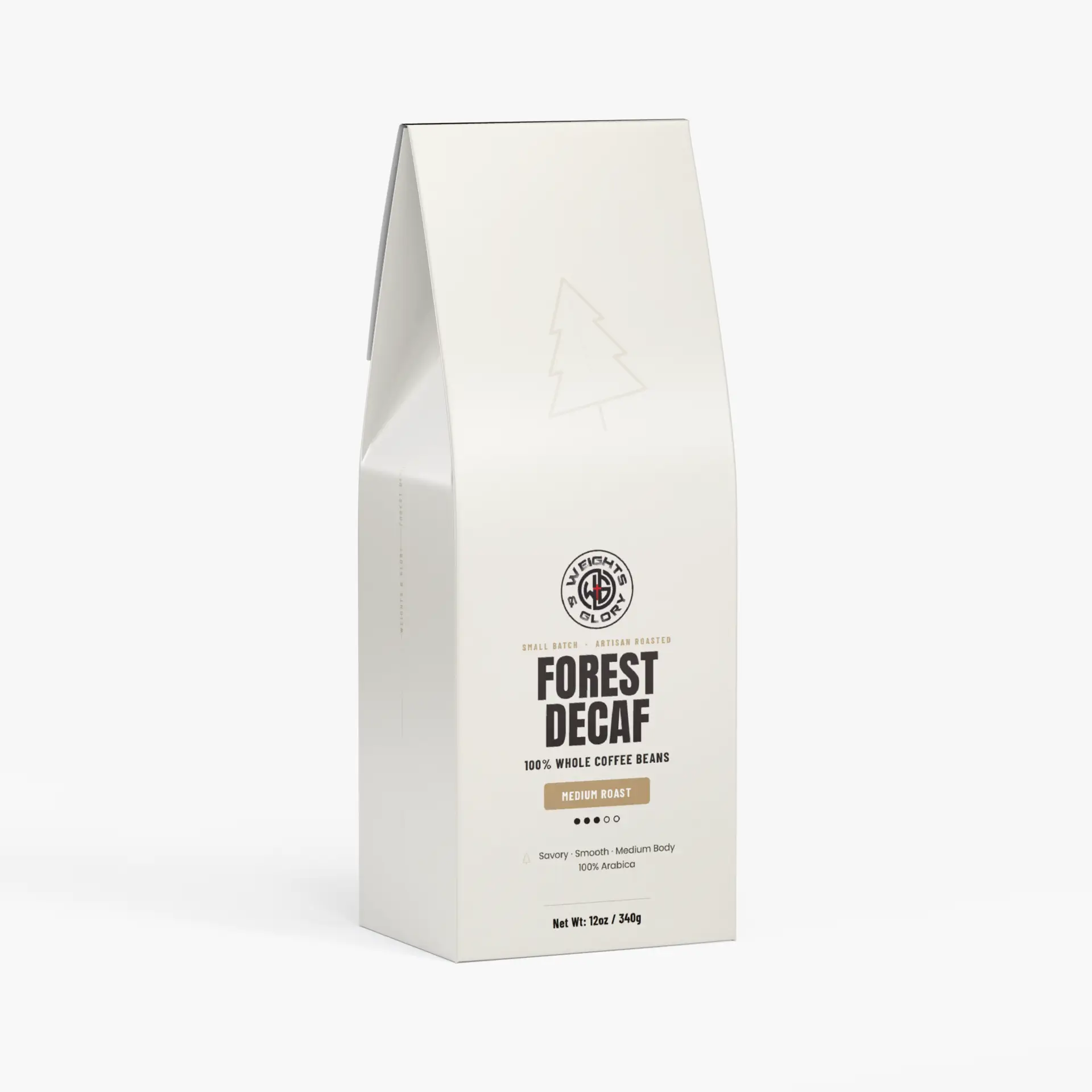
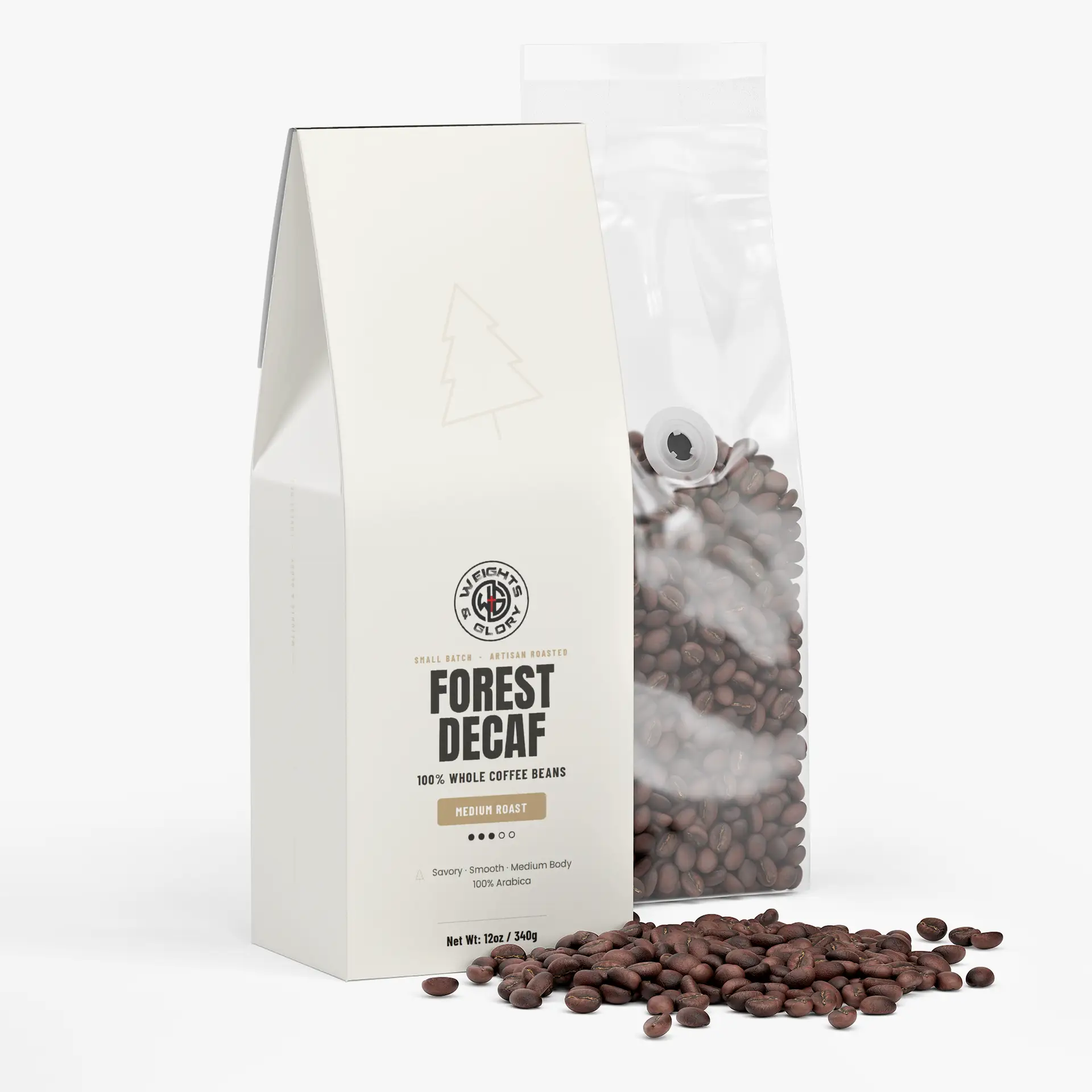
| Net Weight | 12 oz (340g) |
| Gross Weight | 13.5 oz (383g) |
| Roast Level | Medium Roast (210–220°C / 410–430°F, between first and second crack) |
| Acidity Level | Low (pH ~5.5–6.0, Stomach-Friendly) |
| Body | Full-Bodied, Heavy, Syrupy Mouthfeel |
| Bean Type | 100% Arabica Whole Beans |
| Varietal | Java Toraja (Sulawesi, Indonesia) |
| Origin | Indonesia: Sulawesi Highlands (Single Origin) |
| Decaffeination Method | Swiss Water Process (chemical-free, water-only, 99.9% caffeine removal, 90–95% flavor retention) |
| Caffeine Content | ~1–2 mg per 8 oz cup (99.9% decaffeinated) |
| Manufacturing Standard | Roasted & Packaged in USA |
| Allergen Info | 100% Pure Coffee Beans, Allergen-Free, Chemical-Free, Organic-Certifiable Process |
| Flavor Notes | Dark Chocolate, Earthy Richness, Subtle Herbal Depth, Wet Earth, Roasted Nuts, Smooth, Low Acidity, No Bitterness |
| Recommended Brewing | French Press, Drip, Pour-over (V60, Chemex), Cold Brew |
| Water Temperature | 88–94°C (190–200°F) for optimal extraction (cooler than light roasts to prevent bitterness) |
| Coffee-to-Water Ratio | 1:15 to 1:17 for drip/French press (e.g., 20g coffee to 300–340ml water); 1:8 for cold brew concentrate (dilute to taste) |
| Grind Size | Coarse (French press), Medium (drip), Medium-Fine (pour-over), Extra-Coarse (cold brew) |
| Storage Instructions | Store in a cool, dry place away from direct sunlight and moisture. Reseal after opening. |
Warning: Do not use if the packaging is damaged or opened. Store in a cool, dry place, away from direct sunlight and moisture.
Reviews
There are no reviews yet.